
Garage Door Spring Repair Cost in Philadelphia: A 2025 Price Guide
Introduction
A loud bang, a half-open door, and that sinking feeling that the car is stuck inside. If that scene sounds familiar, you are not alone. A broken spring is one of the most common garage door emergencies in our area, and cost is the first thing that comes to mind. This is exactly why we built this guide around Garage Door Spring Repair Cost in Philadelphia: A 2025 Price Guide, so you get straight answers without guesswork.
We see these calls every day across Delaware, Montgomery, and Chester Counties. Spring failures show up without warning, and they stop life in its tracks. The good news is simple. With clear pricing and the right local team, you can get back to normal fast and without surprise fees.
In this guide, we lay out average prices, what affects your cost, the difference between torsion and extension springs, warning signs to watch for, and how to pick a qualified local technician. As T&I Home Services, we stand for upfront pricing with no hidden fees, same-day service when possible, BBB A+ accreditation, and fully certified, insured techs. By the end, you will know exactly what to expect and how we can help.
Key Takeaways
-
In the Philadelphia area, most spring replacements fall between two hundred thirty-five and two hundred ninety dollars. This typical range covers parts and professional labor in straightforward scenarios.
-
The full range runs from one hundred twenty to four hundred fifteen dollars. Heavier doors, custom hardware, and urgent calls usually land on the higher end of the scale.
-
Torsion springs are the modern standard and usually cost between one hundred forty and three hundred fifty dollars installed. They last longer and run smoother on most sectional doors.
-
Extension springs are common on older setups and generally cost one hundred twenty to two hundred dollars installed. They wear faster and may feel jerky in operation.
-
We strongly recommend professional service for safety reasons. Springs hold serious tension, and mistakes can cause severe injury and damage.
-
Springs should be replaced in pairs for proper balance. Swapping one spring leads to imbalance and a second service call sooner than you think.
-
T&I Home Services offers upfront, itemized pricing and same-day emergency help across Delaware, Montgomery, and Chester Counties. We keep pricing clear and service fast.
Understanding Garage Door Spring Types and Their Costs
Your spring type is the number one factor in your final bill. It also explains how your door moves and why certain parts wear faster than others. Most modern sectional doors in the Philly suburbs use torsion springs, while many older or low-headroom setups still use extension springs. Knowing which one you have makes cost estimates much more accurate.
Torsion Springs: The Modern Standard
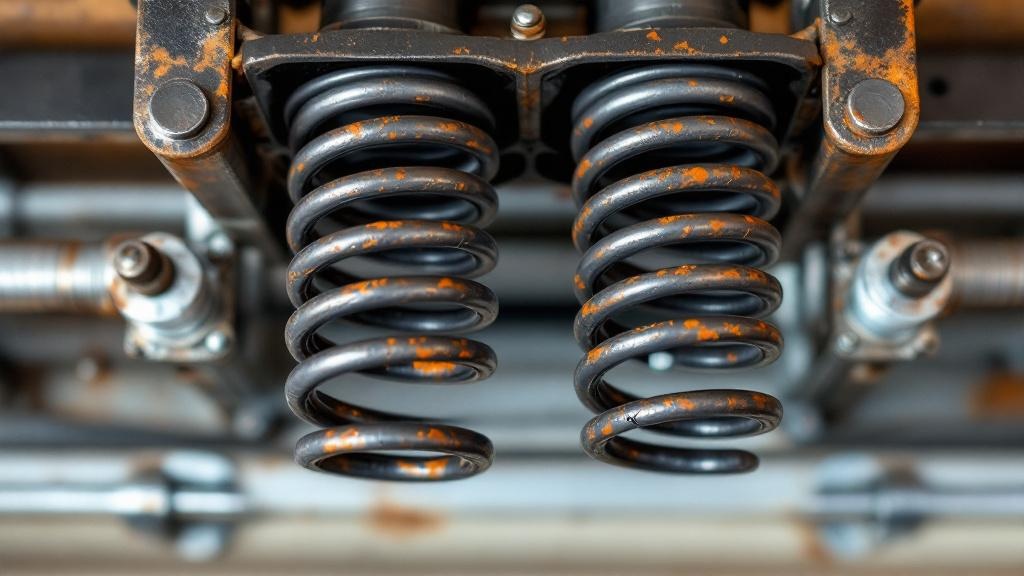
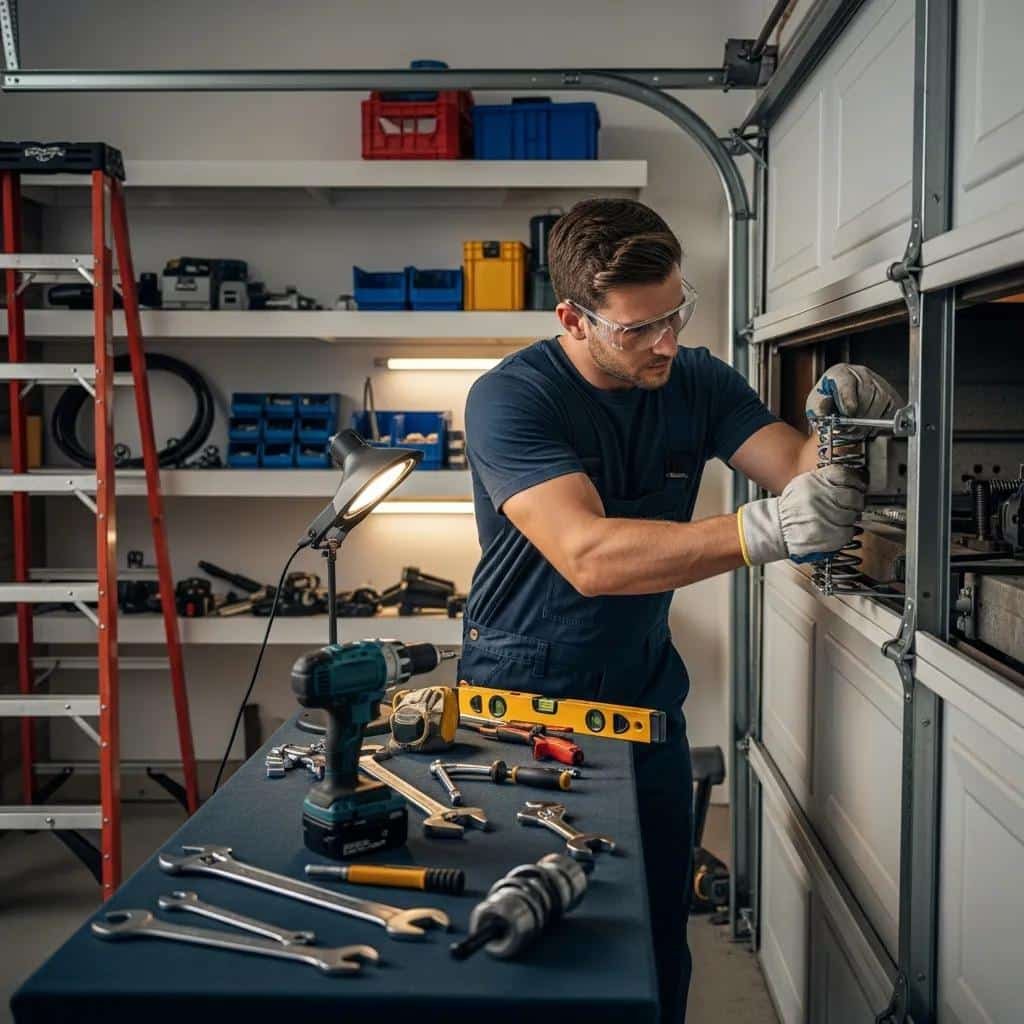
Torsion springs sit on a metal shaft above the door opening, and they work by twisting to store and release energy. As the door closes, the springs wind up and build tension. When the door opens, they unwind to help lift the weight smoothly and safely.
For homeowners in our area, a professional torsion spring replacement typically lands between one hundred forty and three hundred fifty dollars. The part itself usually runs from thirty to one hundred dollars per spring, depending on size and quality. With normal use, you can expect eight to fifteen years of life, or about ten thousand to twenty thousand cycles.
We often recommend oil-tempered springs for durability, galvanized springs for added rust resistance in humid summers, and powder-coated springs for a clean, non-oily finish. Most newer roll-up sectional doors in the Philadelphia suburbs rely on this system because it is safer, smoother, and better for heavier insulated or wood doors.
Extension Springs: The Traditional System
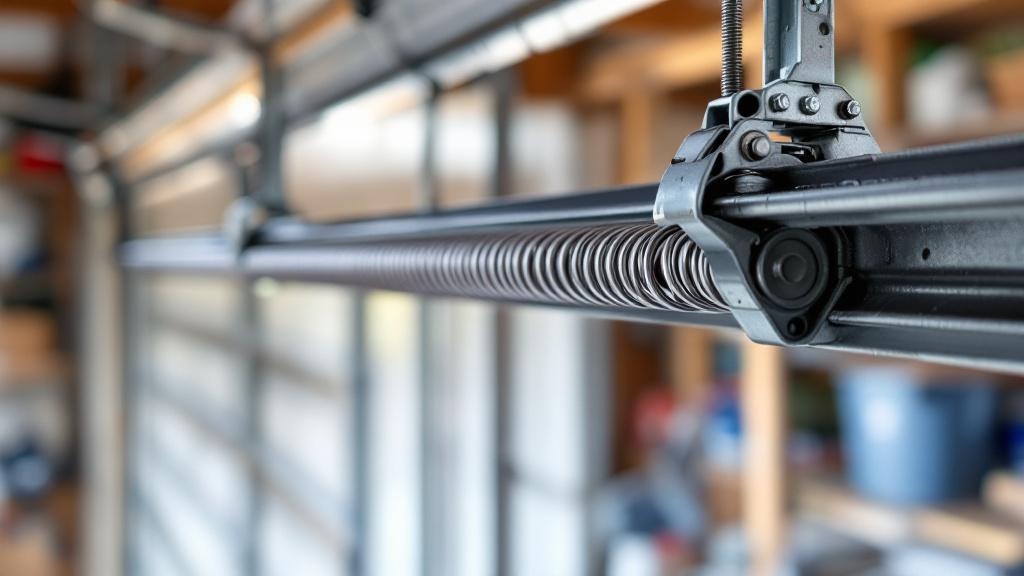
Extension springs run along the horizontal tracks on each side of the door. They stretch when the door closes and contract to help lift the door when it opens. Safety cables should run through the center so a broken spring cannot fly across the garage.
In our market, a professional extension spring replacement generally ranges from one hundred twenty to two hundred dollars. The parts tend to cost twenty to fifty dollars per spring. These springs usually last seven to twelve years, or five thousand to fifteen thousand cycles, but they wear faster due to the stretching motion.
They are popular on older tilt-up doors and garages with limited headroom. Many homeowners choose to convert to torsion springs when extension springs fail because torsion systems run smoother, last longer, and lower risk.
Average Spring Repair Costs in Philadelphia for 2025
Most garage door repairs in the Philadelphia area average around two hundred ninety dollars, with many jobs falling between one hundred seventy-one and four hundred fifteen, and professional services like Overhead Door Repairs | can provide detailed assessments for your specific situation. A simple adjustment or tune-up can be under one hundred dollars, while heavier doors or combined repairs land higher. At T&I Home Services, we provide upfront, itemized quotes so you know exactly what you are paying for before we start.
Here is what most homeowners see for spring work in 2025:
-
Overall spring replacement often ranges from one hundred twenty to three hundred fifty dollars.
-
Torsion spring replacement typically costs one hundred forty to three hundred fifty dollars.
-
Extension spring replacement usually falls between one hundred twenty and two hundred dollars.
-
A spring tune-up or minor adjustment is commonly forty to eighty dollars.
-
Combined spring and cable replacement tends to run two hundred to five hundred dollars, depending on the door.
Cost tiers at a glance:
|
Cost Tier |
Estimated Price Range |
|---|---|
|
Low End |
$120 – $171 |
|
Average |
$235 – $290 |
|
High End |
$371 – $415+ |
Lower prices usually involve lighter, single-car steel doors and standard springs. Higher prices often involve heavier wood or insulated doors, pairs of springs, or emergency visits. Our quotes include both parts and professional labor, plus any service call fees are explained upfront. Same-day help is available when you need it most.
Key Factors That Impact Your Spring Replacement Cost
Several details can nudge your price up or down. Door weight, material, hardware, and local labor rates all play a part. The more accurate the picture we have of your door, the more precise our quote will be.
Garage Door Weight and Material
Heavier doors need stronger springs, and stronger springs cost more. Size and style shape the price too. Standard single-car sectional doors sit near the middle. Double-car doors often require two torsion springs or four extension springs, which can land between two hundred and six hundred dollars. Insulated doors bring extra weight, so pricing often falls between two hundred fifty and four hundred dollars.
Decorative carriage-style doors add hardware that increases weight, so many jobs fall in the two hundred to four hundred fifty dollar band. Older tilt-up single-panel doors often use extension springs, and those replacements are usually between ninety-eight and two hundred dollars. By material, steel doors tend to cost the least, while wood doors sit at the high end due to weight. Our certified techs check your exact specs so we can quote accurately the first time.
Professional Labor Costs in the Philadelphia Area
Local labor rates in the Philly metro often range from fifty to one hundred fifty dollars per hour. A straightforward spring replacement usually takes thirty to sixty minutes. Complex jobs can stretch to two to four hours if tracks need work or parts are custom. Labor covers more than time on site. It also covers safe handling, proper tools, and correct spring matching so your door balances right. DIY to save on labor invites serious risk, while our certified and insured team gets it done safely and fast.
Additional Components and Repairs
Springs rarely fail in isolation. Cables can fray, tracks can bend, and rollers can wear. Cable replacement often falls between eighty and one hundred eighty-five dollars. Track repair or realignment tends to run one hundred to two hundred dollars. Rollers usually fall between eighty and two hundred dollars. A general tune-up is often forty to one hundred dollars. Bundling these during one visit saves time and money, and we show all items in a clear, itemized quote.
Warning Signs Your Garage Door Springs Need Replacement
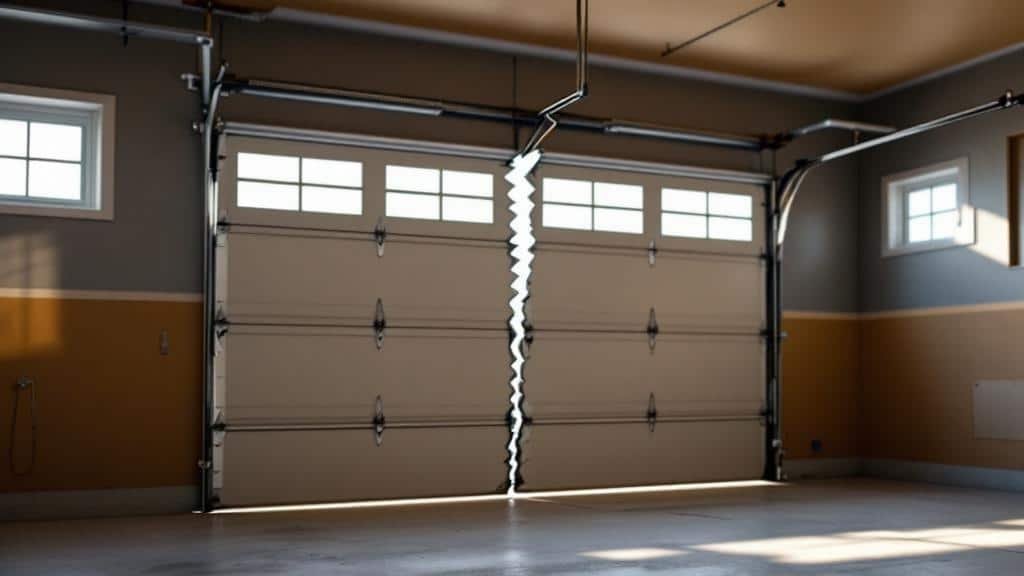
A spring can snap with a sharp crack, much like a firecracker. That sound is a clear sign to stop using the door and schedule service. If the opener hums but the door does not move, the spring is likely broken because the opener cannot lift the full weight on its own.
A door that feels extremely heavy during manual lift is another red flag. A healthy door stays fairly light and balanced, often liftable with one hand. Look at the torsion spring above the door for a visible gap in the coil. A two-inch space signals the spring has snapped.
-
Jerky motion, a door that slams closed, or loose cables hanging near the sides all point to lost tension.
-
Uneven movement shows up when only one of two springs fails; the door may hang crooked or bind in the tracks.
-
Rust on the coils makes failure more likely, as corrosion weakens the metal.
If you notice any of these signs, avoid operating the door. Call us for same-day help in Delaware, Montgomery, and Chester Counties, and we will get you safely back on track.
Why Professional Installation Is Essential (Not a DIY Project)
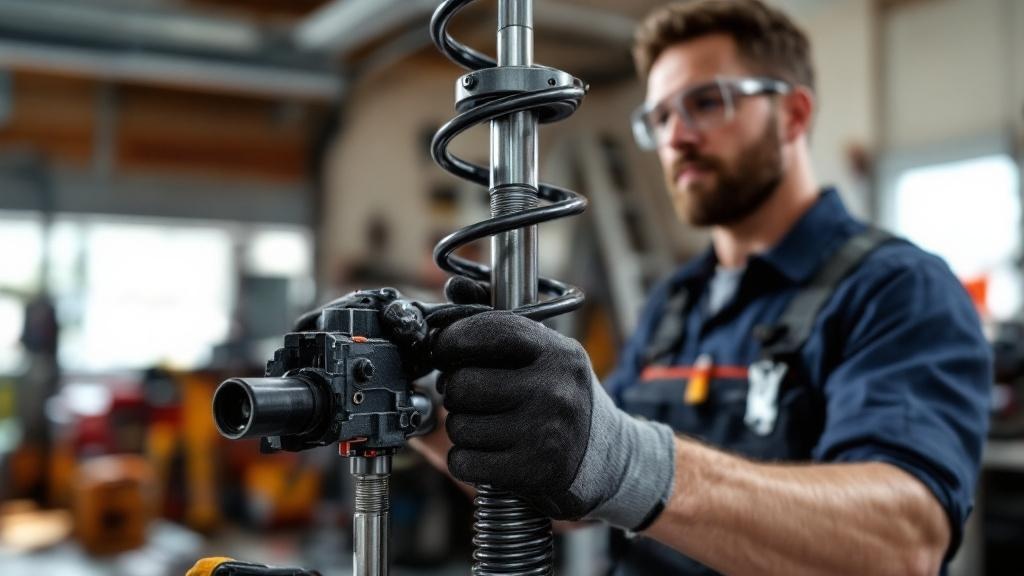
Garage door springs carry enough tension to lift a three-hundred-pound door. Releasing that energy the wrong way can cause serious harm. Without the right winding bars and training, the risk is far too high. We do not say this to scare anyone; we say it because we see the aftermath of DIY attempts that went sideways.
Using the wrong tools can turn a spring or bar into a projectile. Incorrect spring sizing leads to balance issues that burn out openers, bend tracks, and damage panels. Some warranties require professional installation and testing, so DIY can also void coverage. Even if you manage the replacement, getting the door perfectly balanced takes skill you only pick up through experience.
“Only qualified personnel should repair, adjust, or replace garage door springs due to the risk of serious injury.” — International Door Association (IDA), Safety Guidelines
Our team at T&I Home Services is fully certified and insured. We match the correct springs to your door, bring the proper tools, finish most jobs in thirty to sixty minutes, and include parts and labor coverage. We balance and test the door before we leave, and our BBB A+ rating reflects how seriously we take safety and quality. The small labor savings of DIY do not outweigh the risk to you, your family, or your property.
Smart Upgrades to Consider During Spring Replacement
A spring failure is a chance to improve safety, performance, and life span. A few thoughtful upgrades can reduce future repairs and make the door run smoother every day. We recommend options that fit your door, your usage, and your budget, and we explain the trade-offs in plain language.
Converting from Extension to Torsion Springs
If you have extension springs, conversion to torsion brings safer, smoother operation and longer life. The conversion usually includes a torsion shaft, matched springs, drums, cables, and professional installation. Most conversions fall between two hundred and five hundred dollars, depending on door size and hardware needs. It makes sense when an older door is still in good shape, you want better balance, or you have safety concerns with stretched side springs. We assess your exact door and offer clear pricing so you can decide with confidence.
High-Cycle Springs for Extended Lifespan
Standard springs are typically rated for about ten thousand cycles. High-cycle options go to twenty thousand, thirty thousand, or even fifty thousand cycles. The upgrade cost is modest, usually twenty to thirty dollars per spring above standard. If your garage door is your front door and you open and close it many times per day, high-cycle springs are a smart buy. They can last two to three times longer, which means fewer breakdowns and fewer service calls over the years. We walk you through the options and back premium springs with solid warranties.
Additional Services Often Needed During Spring Replacement
Spring failure can expose hidden wear in other parts. It is smart to take care of those items in one visit, because it often costs less than scheduling multiple trips. We inspect everything during the appointment and explain what matters now versus what can wait.
Cable replacement is common because cables and springs wear together. The typical cost is between eighty and one hundred eighty-five dollars, and pairing it with springs avoids a second visit. A comprehensive tune-up with lubrication, tension checks, track alignment, and safety tests usually runs forty to one hundred dollars and keeps the whole system running smoothly.
Bent tracks can show up after a failure, and repairs usually fall between one hundred and two hundred dollars. Worn rollers add noise and strain, with replacements often between eighty and two hundred dollars. If the opener has been straining against a heavy door, it may need replacement at three hundred seventy-one to four hundred fifty dollars. If panels were damaged during an unbalanced cycle, panel work can range widely from two hundred fifty to one thousand two hundred dollars. We provide an itemized quote, explain priorities, and back everything we install with warranty coverage.
Extending the Life of Your Garage Door Springs
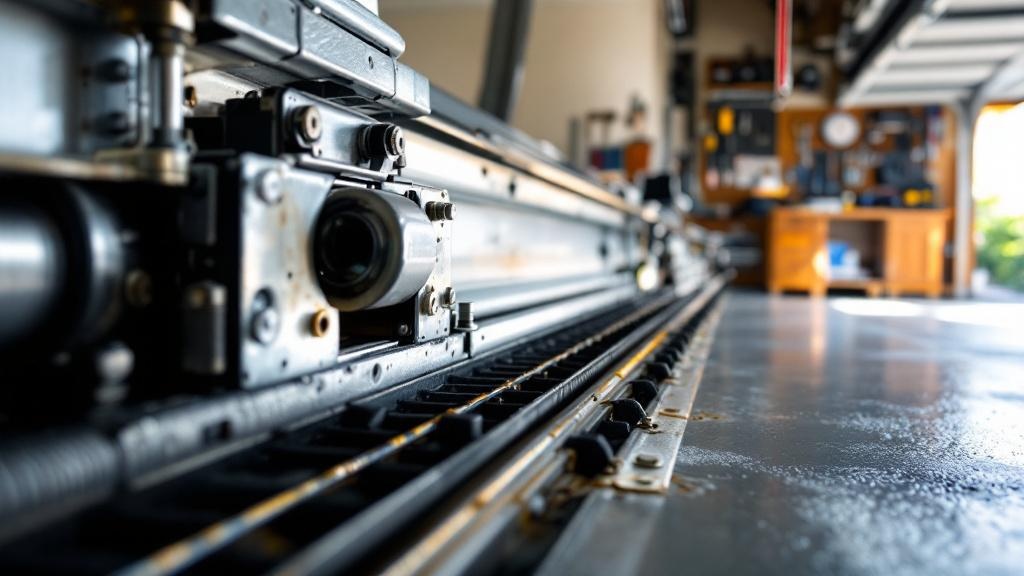
Springs are a wear item, but good care goes a long way. Most failures come from cycle wear, rust, and lack of lubrication. Philly winters add cold that makes metal more brittle, and humid summers invite corrosion. A little attention at the right time can prevent surprise breakdowns.
-
Do a monthly visual check. Look for rust, gaps in coils, frayed cables, or rollers that wobble. If anything looks off, stop using the door and call for a professional check. Catching small issues early saves money and reduces risk.
-
Lubricate twice per year. Use a silicone-based spray or white lithium grease on springs, rollers, and hinges. Avoid standard WD-40, since it can strip protective oils. A quick spray before winter helps prevent cold-weather snaps.
-
Test balance each quarter. Pull the red release cord with the door closed, then lift the door by hand to waist height. If it stays put, balance is likely fine. If it drops or flies up, schedule a professional adjustment.
-
Keep tracks clean and dry. Wipe debris from tracks and avoid using grease inside the tracks. Manage moisture with good ventilation and address water intrusion so rust does not accelerate.
“Springs do the heavy lifting—your opener is just the helper.” — Lead Technician, T&I Home Services
An annual professional tune-up in the forty to eighty dollar range keeps things smooth, catches wear early, and supports warranty needs. We offer scheduled maintenance plans to make this easy across the seasons.
Understanding Permits and Local Philadelphia Regulations
Simple spring replacements usually do not require a permit in our region, though homeowners should verify local requirements similar to how Select Home Warranty Reviews documents coverage standards for home systems. Permits can come into play when a project involves a full door replacement, structural changes to the opening, adding an opener where none existed, or electrical work tied to a new unit. Fees often range from fifty to two hundred dollars depending on the municipality.
Each county has its own processes, and requirements can vary by township. Permits exist to confirm safety and code compliance, and they help document upgrades for future resale. We handle any needed permits for larger projects, follow code, and keep paperwork clean. We are licensed and insured, and we work with local inspectors regularly, which helps keep jobs on track. For major projects, we can also help you confirm requirements with your local building office.
When to Repair Springs vs. Replace the Entire Garage Door
Many times, spring replacement is all you need. If your door is under fifteen years old, panels are straight, tracks and rollers are healthy, and the opener works well, replacing both springs and possibly the cables is the smart, budget-friendly move. In those cases, the full job usually stays under four hundred dollars.
Full replacement may make more sense when the door is fifteen years or older, you face multiple major repairs at once, or panels and tracks show significant damage. When the total repair bill approaches half the cost of a new door, an upgrade becomes a better long-term choice. New doors typically run from nine hundred fifty-six to one thousand six hundred seventy-four dollars installed, with upgraded insulation, improved looks, and modern safety features. Many homeowners see strong payback from the better curb appeal as well. We give an honest assessment either way and help you choose what fits your home and budget.
How to Choose a Qualified Garage Door Repair Company in Philadelphia
Picking the right team protects your home, your time, and your wallet. A little homework leads to a better outcome and fewer surprises.
-
Start with core qualifications. Look for proper licensing, liability insurance, and worker’s comp, plus a strong BBB record. A company with an A+ rating, certified technicians, and a real local address shows stability and trust. Ask how long they have served the Philadelphia area and which counties they cover.
-
Compare more than price. Get at least three itemized quotes with parts, labor, and any fees clearly listed. Read recent reviews on Google and the BBB to see how they handle service calls and follow-up. Ask for local references if you want extra peace of mind.
-
Ask the right questions. Ask about response time, same-day availability, and whether pricing is upfront and itemized. Ask about parts and labor warranties, technician training, and whether the service call fee is waived if you approve the work. Clear answers reflect how they will treat you.
-
Watch for warning signs. Be wary of pressure tactics, vague pricing, and quotes that are far below others. Lifetime offers that require pricey annual plans often create headaches later. Avoid contractors who cannot show insurance or who lack a local presence.
-
Know what sets us apart. At T&I Home Services, we offer upfront pricing with no hidden fees, same-day service when possible, BBB A+ accreditation, certified and insured techs, and consistent five-star reviews. We are a local, family-owned company serving Delaware, Montgomery, and Chester Counties, and we back our work with solid warranties.
Conclusion
Now you have a clear view of Garage Door Spring Repair Cost in Philadelphia: A 2025 Price Guide. Most homeowners pay two hundred thirty-five to two hundred ninety dollars for a standard spring replacement, with a wider range from one hundred twenty to four hundred fifteen based on door weight, parts quality, and service timing. Spring type drives cost, with torsion systems trending higher but lasting longer.
If you hear a loud snap, see a visible gap in the spring, or feel a door that is too heavy to lift, it is time to call a pro. Factor in door style, possible upgrades like high-cycle springs, and the overall condition of your system. We keep pricing transparent and service fast.
T&I Home Services offers upfront, itemized quotes, same-day emergency help across Delaware, Montgomery, and Chester Counties, BBB A+ accreditation, and certified, insured technicians who get the job done right. Regular tune-ups extend spring life, and we are glad to set that up. Ready for an honest assessment and a clear price? Reach out to us, and we will bring your garage back to safe, smooth operation.
FAQs
Question 1: How Long Does It Take to Replace Garage Door Springs?
Most professional spring replacements take thirty to sixty minutes once the technician is on site. The exact time depends on spring type, door weight, and whether other items like cables, rollers, or tracks need attention. T&I Home Services techs work quickly and carefully, matching the correct springs and confirming balance before we leave. DIY attempts often stretch into hours and carry real safety risks. We also offer same-day service across our local counties to keep your day moving.
Question 2: Can I Replace Just One Spring Instead of Both?
It is technically possible, but we strongly advise replacing both. Springs wear at a similar pace, and putting a brand-new spring next to an aged one creates imbalance. That imbalance strains the opener, twists the door, and shortens the life of the new spring. The second spring often fails soon after, which means another visit and more downtime. We replace pairs so the door stays balanced, runs smoother, and avoids repeat calls.
Question 3: Are Garage Door Spring Repairs Covered by Homeowners Insurance?
Standard policies usually do not cover wear and tear, which is how springs typically fail. Insurance tends to cover sudden damage from a covered event, such as a vehicle impact or certain storms. If a spring breaks from age or normal use, it is usually the homeowner’s responsibility. We recommend checking your policy or calling your agent to be sure. If a covered event applies, we can provide itemized invoices to support your claim.
Question 4: How Often Should Garage Door Springs Be Replaced?
Most torsion springs last eight to fifteen years, or about ten thousand to twenty thousand cycles, and extension springs often last seven to twelve years, or five thousand to fifteen thousand cycles. Life span depends on how often you use the door, how well it is maintained, and local conditions like humidity and winter cold. High-cycle springs can last two to three times longer. We suggest an annual professional inspection to catch wear before a surprise failure.
Question 5: What Causes Garage Door Springs to Break?
Normal cycle wear is the most common reason. Rust and corrosion speed up wear, especially in humid summers, and lack of lubrication adds friction that chews up the coils. Cold snaps can make metal brittle and lead to sudden breaks. Poor balance places uneven load on springs, and that shortens life too. Manufacturing defects are rare with quality springs. Regular lubrication and an annual tune-up from T&I Home Services help springs last as long as possible.
Question 6: Is Same-Day Garage Door Spring Repair Available in Philadelphia?
Yes, we offer same-day emergency service across Delaware, Montgomery, and Chester Counties. A broken spring is both a security problem and a daily hassle, so we move fast to get your door working again. Availability depends on the time of day and current schedule, so calling earlier helps. After-hours options may be available for urgent needs. Reach out to T&I Home Services to book immediate service and get a clear, upfront price.