
Winter Garage Door Maintenance Philadelphia: Homeowner's Cold Weather Checklist for Safe and Efficient Doors
As winter approaches, Philadelphia homeowners must prioritize garage door maintenance to ensure safety and efficiency. This comprehensive guide will provide you with essential tips and a checklist to winterize your garage door effectively. Proper maintenance not only prevents costly repairs but also ensures that your garage door operates smoothly during harsh weather conditions. Many homeowners face issues like doors freezing shut or malfunctioning openers, which can expose their homes to the elements. By following this checklist, you can avoid these problems and keep your garage door in optimal condition throughout the winter months. We will cover the importance of winter maintenance, key steps in a maintenance checklist, common winter problems, and when to call professionals for repairs.
Why is Winter Garage Door Maintenance Essential for Philadelphia Homeowners?
Winter garage door maintenance is essential for Philadelphia homeowners because it helps prevent costly repairs and ensures the door operates safely and efficiently during harsh weather conditions. Regular maintenance, such as lubrication, balance checks, and safety sensor testing, can extend the life of the garage door and opener by several years. Additionally, a well-maintained garage door can prevent emergency situations, such as a door that won’t close or is stuck open during severe weather, which can expose the home to the elements and compromise security. Overall, preventative maintenance is a smart investment to avoid more expensive repairs in the future.
How Does Philadelphia's Cold Weather Affect Garage Door Performance?
Cold weather can significantly impact garage door performance. The materials used in garage doors, such as metal and plastic, can contract in low temperatures, leading to misalignment and operational issues. Additionally, lubricants can thicken, causing the door to operate sluggishly or become stuck. Regular inspections during winter can help identify these issues early, ensuring that your garage door functions properly when you need it most.
What Are the Benefits of Preventative Winter Garage Door Care?
The benefits of preventative winter garage door care include early detection of potential issues, such as frayed cables or rust spots, which can be addressed before they lead to more significant problems. Regular maintenance, like annual or bi-annual tune-ups, helps ensure the garage door operates smoothly and safely throughout the winter months. This proactive approach can prevent emergency repairs, saving time and money in the long run. Additionally, scheduled maintenance programs offer priority service and detailed reports, enhancing the reliability of the garage door year-round.
What Are the Key Steps in a Philadelphia Winter Garage Door Maintenance Checklist?
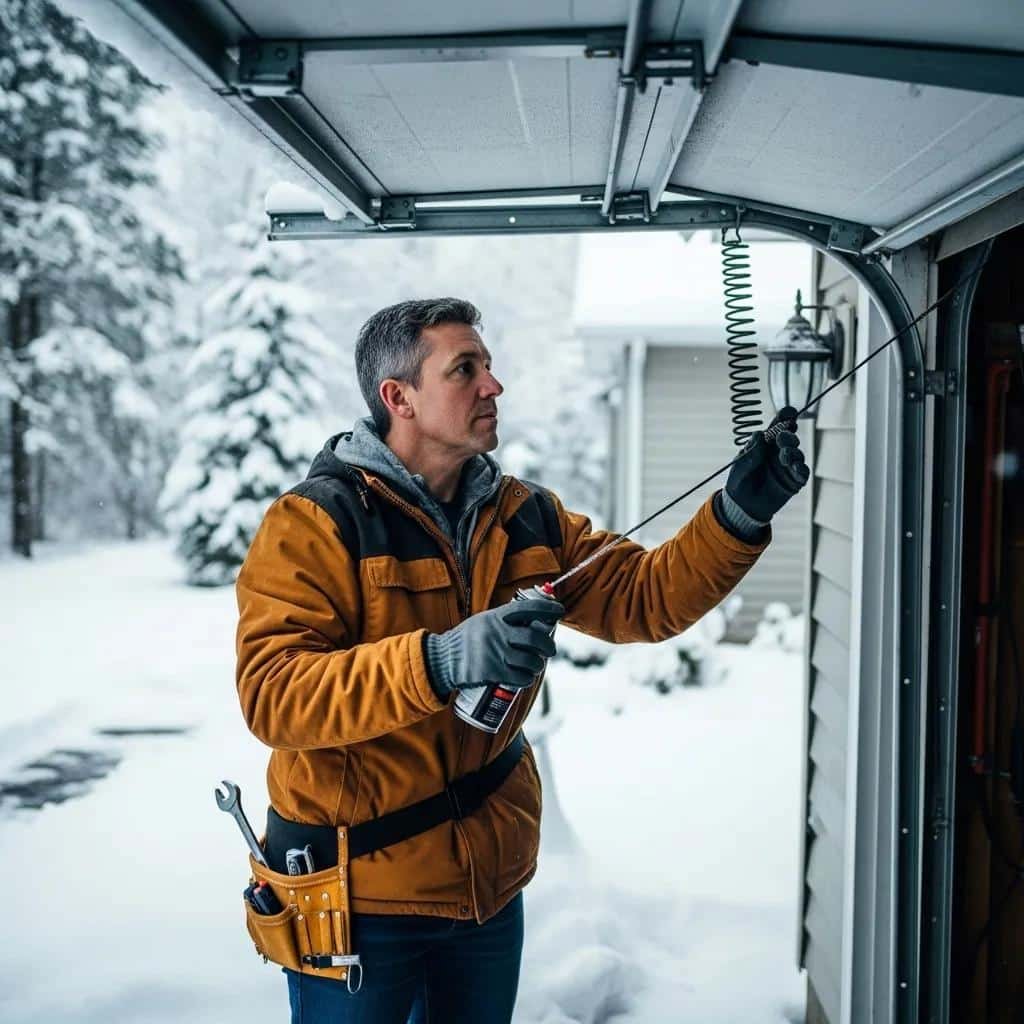
The key steps in a Philadelphia winter garage door maintenance checklist include:
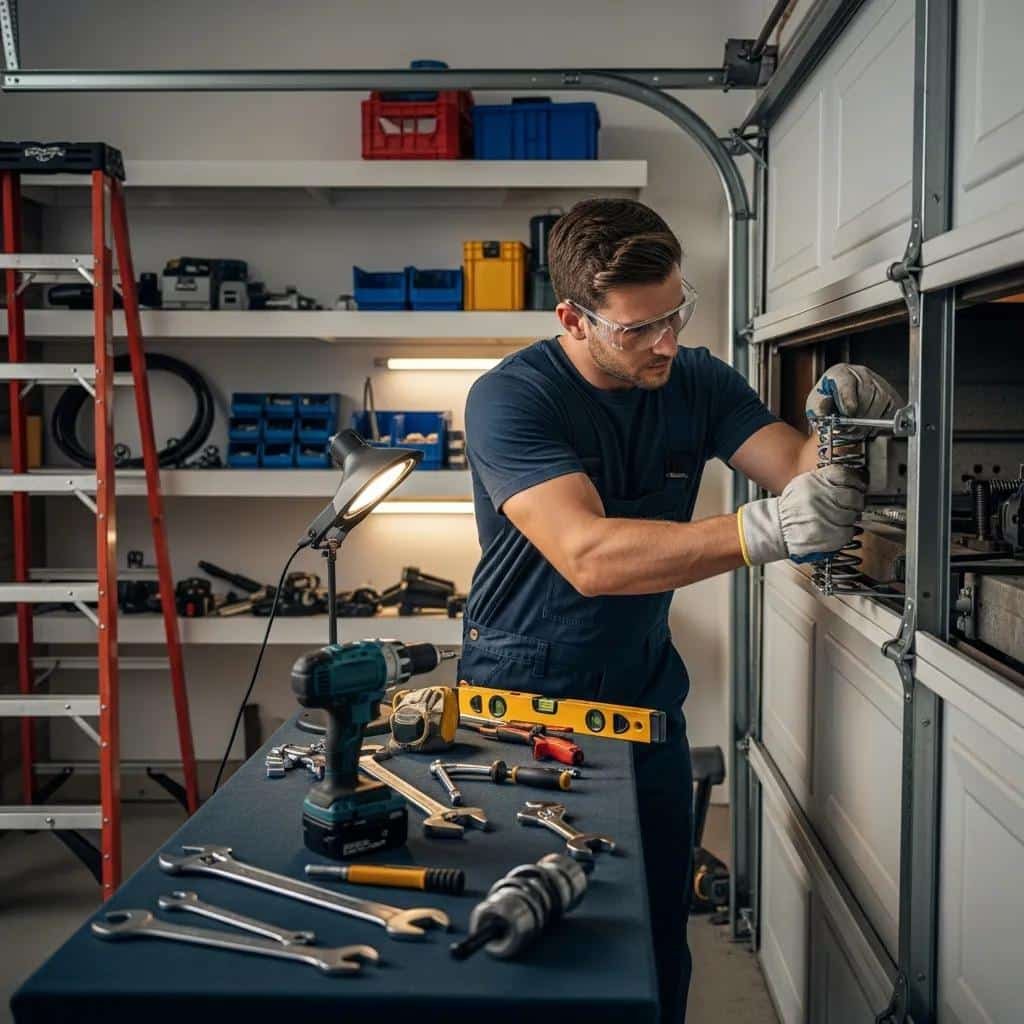
- Visual Inspection: Check springs, cables, rollers, hinges, and tracks for any visible damage or wear.
- Lubrication: Apply lubricant to all moving parts to ensure smooth operation.
- Tightening Hardware: Ensure all hardware is tightened to prevent any loose components.
- Balance Checks: Manually check the balance of the door to ensure it operates correctly.
- Safety Sensor Alignment: Test and align safety sensors to ensure they function properly.
- Opener Adjustments: Adjust the force and travel settings of the opener as needed.
- Weather Seal Review: Inspect weather seals for gaps or cracking to maintain insulation and prevent drafts.
Regular maintenance can help extend the life of your garage door and opener.
How to Inspect and Replace Weather Stripping to Prevent Freezing?
To inspect and replace weather stripping to prevent freezing, follow these steps:
- Inspect the Weather Stripping: Check for gaps, cracks, or wear in the weather seal around the garage door. Look for any signs of damage that could allow cold air to enter.
- Remove Old Weather Stripping: If the weather stripping is damaged, carefully remove it from the door frame. This may involve pulling it off or using a utility knife to cut it away.
- Clean the Surface: Clean the area where the new weather stripping will be applied to ensure a good seal. Remove any debris or old adhesive.
- Measure and Cut New Weather Stripping: Measure the length needed for the door and cut the new weather stripping to size. Make sure to choose a type that is suitable for your door and climate.
- Install New Weather Stripping: Apply the new weather stripping according to the manufacturer’s instructions. This may involve pressing it into place or using adhesive.
- Test the Seal: Close the garage door and check for any gaps. Ensure that the new weather stripping creates a tight seal to prevent cold air from entering.
Regular maintenance, including checking the weather seal for gaps or cracking, can help prevent freezing issues.
Which Lubricants Are Best for Garage Door Parts in Cold Weather?
When it comes to lubricating garage door parts in cold weather, it’s essential to choose the right products. Silicone-based lubricants are ideal as they remain effective in low temperatures and do not freeze. Lithium grease is another excellent option for metal components, providing long-lasting protection against rust and wear. Avoid using oil-based lubricants, as they can thicken in cold weather and lead to operational issues.
What Common Winter Garage Door Problems Occur in Philadelphia and How Can They Be Solved?
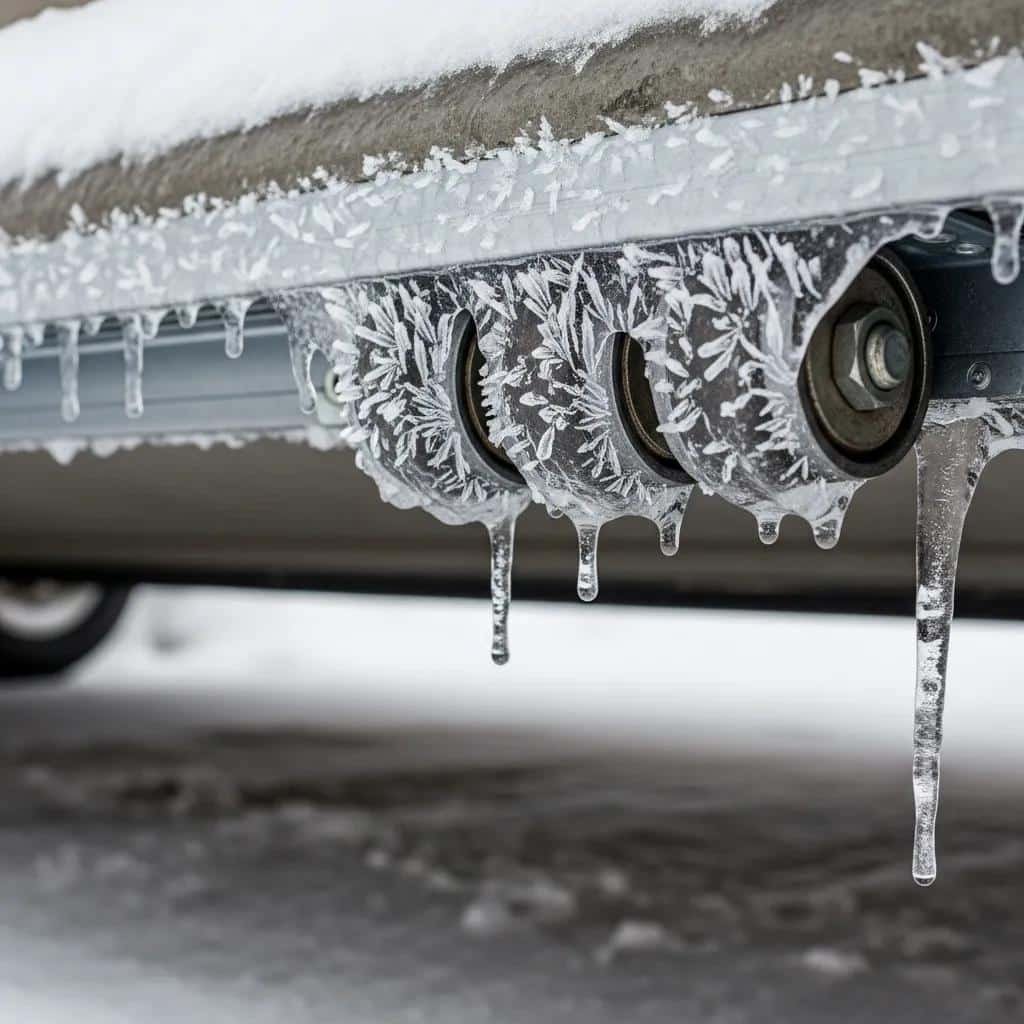
Common winter garage door problems in Philadelphia include:
- Frozen Tracks: Ice can build up in the tracks, preventing the door from opening or closing. Solution: Clear the ice and ensure proper lubrication of the tracks.
- Broken Springs: Cold temperatures can cause springs to become brittle and break. Solution: Replace the broken springs with professional help.
- Malfunctioning Openers: Cold weather can affect the electronic components of garage door openers. Solution: Check the batteries and connections, and consider professional repair if issues persist.
- Weather Seal Issues: Cold can cause seals to crack or become less effective, leading to drafts. Solution: Inspect and replace weather seals as needed.
- Off-Track Doors: Ice or snow can cause doors to come off their tracks. Solution: Realign the door and check for any damage.
Regular maintenance, such as lubrication and inspections, can help prevent these issues.
Why Does My Garage Door Freeze Shut and How Can I Prevent It?
Garage doors can freeze shut due to moisture accumulation in the tracks or on the door itself. When temperatures drop, this moisture can freeze, creating a solid bond between the door and the ground. To prevent this, ensure that the area around the door is clear of snow and ice, and regularly check the weather stripping for any gaps that could allow moisture to enter.
Understanding the specific challenges posed by Philadelphia’s climate, particularly the freeze-thaw cycles, is crucial for effective garage door maintenance.
Philadelphia Garage Doors & Winter Freezing
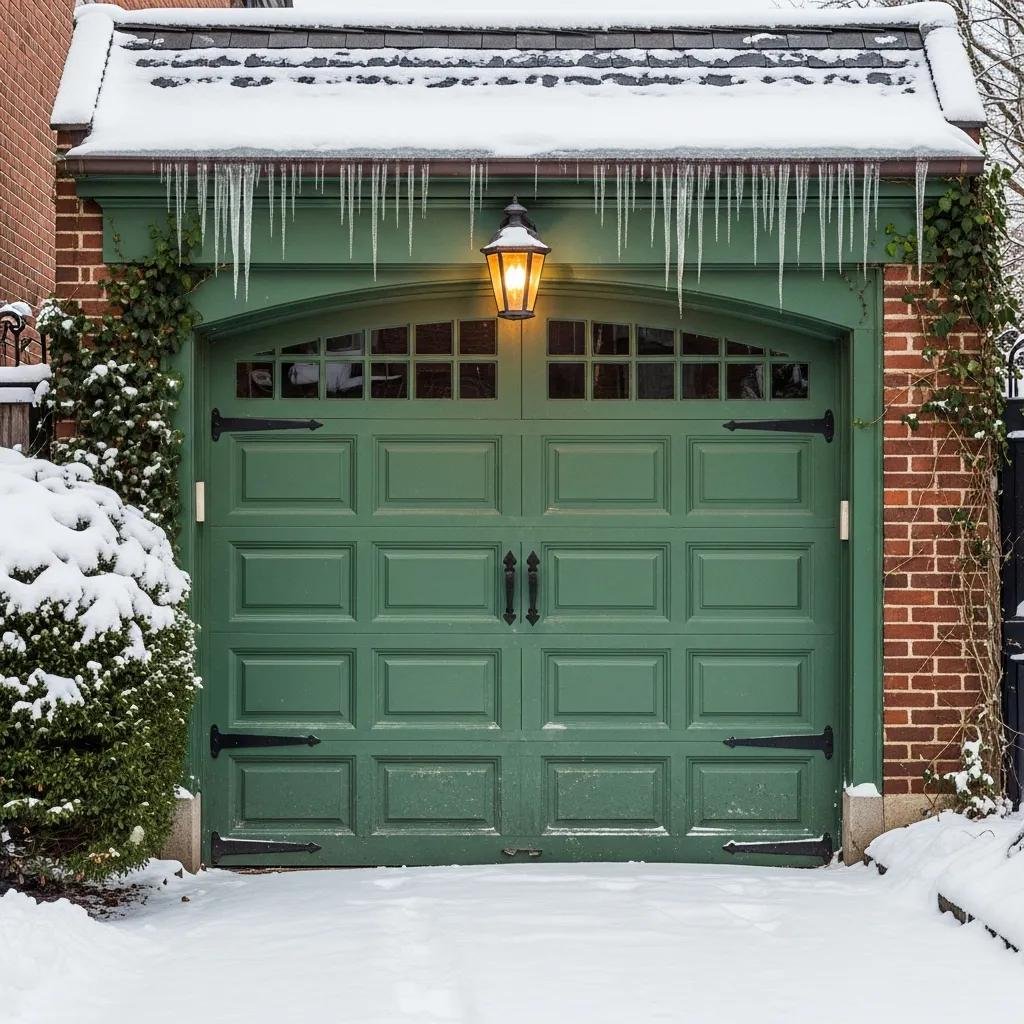
Houses need some fresh air to prevent indoor air pollution. By contrast, streetfacing garage doors obscure the view and the surface and cycles of winter freezing and thawing have
Philadelphia rowhouse manual, 2008
How to Troubleshoot Cold Weather Garage Door Opener Issues?
If your garage door opener is malfunctioning in cold weather, start by checking the batteries in the remote and the wall switch. Ensure that all connections are secure and that the opener is plugged in. If the door still does not respond, it may require professional inspection to diagnose any internal issues caused by the cold.
When Should Philadelphia Homeowners Call Professionals for Winter Garage Door Repair?
Philadelphia homeowners should call professionals for winter garage door repair when they notice symptoms such as unusual noises, erratic movements, or error lights. Additionally, if the door is stuck open during severe weather or will not close, it is crucial to seek immediate assistance. Regular maintenance is also recommended to prevent costly repairs, and homeowners should consider professional help if they observe visible damage like frayed cables or bent tracks. If repairs approach 50 percent or more of the cost of a new door, replacement may be a better option.
What Are Signs That Require Emergency Cold Weather Garage Door Repair?
Signs that indicate the need for emergency cold weather garage door repair include:
- Unusual Noises: Grinding or squeaking sounds can indicate mechanical issues.
- Erratic Movements: If the door moves unevenly or hesitates, it may require immediate attention.
- Door Stuck Open or Closed: A door that cannot be closed poses a security risk and should be addressed promptly.
How Does Professional Maintenance Compare to DIY Winter Garage Door Care?
Professional maintenance offers a comprehensive approach to winter garage door care, including visual inspections, lubrication, balance checks, and safety tests, which can prevent costly repairs and extend the lifespan of the door. In contrast, DIY maintenance may seem cheaper but can lead to hidden costs, safety risks, and potential property damage due to improper handling. Overall, professional services provide a safer, more reliable solution compared to DIY efforts.
Beyond residential garage doors, businesses also rely on specialized door solutions. For commercial properties, ensuring the functionality of loading docks and other industrial doors is crucial, especially during harsh winter conditions.
Different winter garage door problems can be effectively managed with proper maintenance and timely repairs.
| Problem | Cause | Solution |
|---|---|---|
| Frozen Tracks | Ice buildup | Clear ice and lubricate tracks |
| Broken Springs | Cold temperatures | Replace springs with professional help |
| Malfunctioning Openers | Cold weather effects | Check batteries and connections |
| Weather Seal Issues | Cracking due to cold | Inspect and replace seals |
| Off-Track Doors | Ice or snow interference | Realign door and check for damage |
This table highlights the importance of regular maintenance to prevent common winter garage door issues and ensure safe operation throughout the season.